Tag: DUI license suspension

  • What Happens After a DUI Arrest in West Virginia?

    A DUI arrest in West Virginia can move quickly. Within hours, a person may face criminal charges, license-related consequences, bond decisions, court appearances, and strict legal deadlines.

    Many people are surprised to learn that a DUI case is not just one process. In many situations, there are both:

    • Criminal court proceedings
    • Separate DMV or license-related consequences

    Understanding what happens after a DUI arrest can help you better understand the process and avoid missing important deadlines.

    For more information, check out our WV DUI guide.


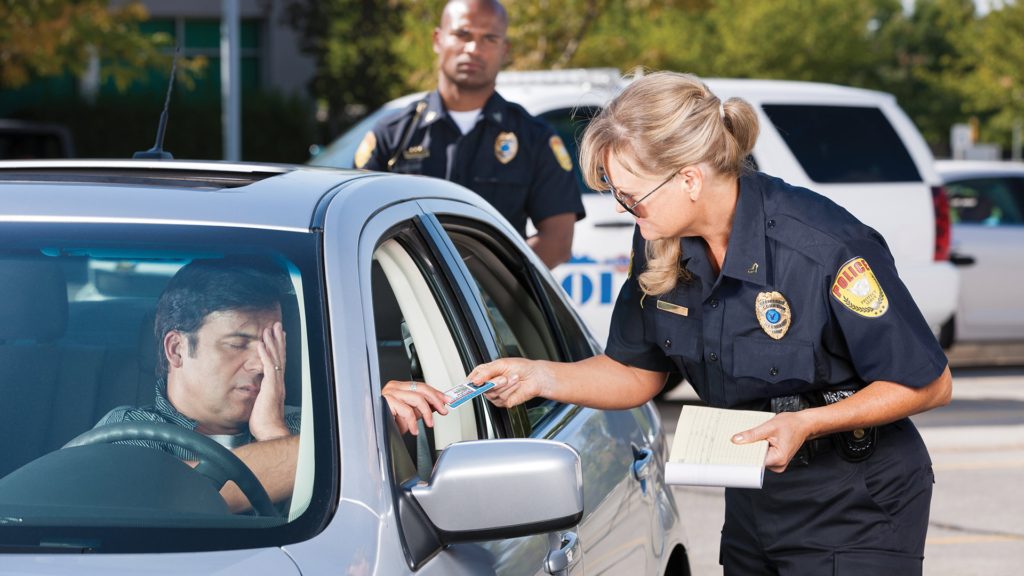
    Step 1: The Traffic Stop

    Most DUI cases begin with a traffic stop.

    An officer may stop a driver for:

    • Speeding
    • Swerving
    • Erratic driving
    • Equipment violations
    • Accidents
    • Suspicion of impairment

    During the stop, the officer may:

    • Ask questions
    • Observe behavior
    • Check for signs of impairment
    • Request field sobriety testing
    • Request a preliminary breath test

    Step 2: Investigation and Arrest

    If the officer believes there is probable cause, the driver may be arrested for DUI.

    West Virginia law defines an “impaired state” broadly and includes:

    • Alcohol impairment
    • Controlled substances
    • Prescription drugs
    • Combined alcohol and drug impairment

    After arrest, the officer may request a secondary chemical test, such as:

    • Breath test
    • Blood test

    Refusing the test may trigger separate consequences.

    👉 Related: Refusing a DUI Test in West Virginia


    Step 3: Booking and Processing

    After arrest, the person may be:

    • Fingerprinted
    • Photographed
    • Processed into the system
    • Given charging paperwork

    Depending on the county and circumstances, the person may:

    • Be released
    • Remain in custody
    • Wait for a magistrate hearing

    Step 4: Bond or Bail Hearing

    A magistrate may decide:

    • Whether bond should be set
    • The amount of bond
    • Conditions of release

    Factors may include:

    • Prior criminal history
    • BAC level
    • Accident involvement
    • Injury allegations
    • Risk to public safety

    West Virginia Magistrate Courts handle a large volume of criminal matters statewide. In 2024, Magistrate Courts processed more than 110,000 misdemeanor criminal filings.


    Step 5: Criminal Charges

    The severity of charges depends on the circumstances.

    Possible charges include:

    • First-offense DUI
    • Aggravated DUI
    • DUI with a minor in the vehicle
    • DUI causing bodily injury
    • DUI causing serious bodily injury
    • DUI causing death

    Higher BAC levels and repeat offenses may increase penalties.


    Step 6: License Consequences

    One of the biggest surprises for many drivers is that DMV consequences can happen separately from the criminal case.

    Possible outcomes include:

    • License suspension
    • Revocation
    • Ignition interlock requirements
    • Participation in treatment programs

    These consequences may begin before the criminal case is fully resolved.


    Step 7: Court Appearances

    The case may involve several hearings.

    Possible court proceedings include:

    • Initial appearance
    • Arraignment
    • Motions hearings
    • Plea negotiations
    • Trial

    Some DUI cases remain in Magistrate Court, while felony-related cases may proceed to Circuit Court.


    Step 8: Plea Negotiations or Trial

    Many DUI cases resolve through plea agreements.

    Other cases proceed to:

    • Bench trial
    • Jury trial

    The outcome may depend on:

    • Chemical test evidence
    • Officer testimony
    • Dashcam or bodycam footage
    • Witnesses
    • Legal motions
    • Constitutional issues

    What Happens If You Refuse Testing?

    Refusing a secondary chemical test can create additional proceedings and penalties.

    Possible consequences include:

    • Separate license revocation
    • Ignition interlock requirements
    • Refusal hearings

    West Virginia refusal laws involve strict procedures and deadlines.


    Can a First DUI Be Dismissed?

    Some first-time offenders may qualify for deferred adjudication tied to the Motor Vehicle Alcohol Test and Lock Program.

    Successful completion may allow a person to later seek dismissal of charges.

    Not every case qualifies.


    What If Someone Was Injured?

    Penalties become significantly more serious if a DUI allegedly caused:

    • Bodily injury
    • Serious bodily injury
    • Death

    Some of these offenses are felonies carrying years in prison.

    West Virginia also recently strengthened penalties in certain fatal DUI cases through Baylea’s Law.


    Frequently Asked Questions

    Will I lose my license immediately after a DUI arrest?

    Possibly. DMV-related consequences may begin separately from the criminal case.

    Is a first DUI a misdemeanor?

    Usually yes, unless serious injury or death is involved.

    Can you go to jail for a first DUI?

    Yes. Jail is possible even in some first-offense cases.

    What if I refused a breath test?

    Refusal may create additional license-related consequences and proceedings.

    Do all DUI cases go to trial?

    No. Many DUI cases resolve through plea agreements or other resolutions.

    Bottom Line

    A DUI arrest in West Virginia can trigger multiple legal processes at once. Criminal court proceedings, DMV consequences, license issues, and potential long-term record consequences may all begin immediately after arrest.

    Because DUI law involves technical evidence, procedural deadlines, and overlapping systems, understanding the process early can make a major difference.
  • First DUI in West Virginia: What Happens Next?

    A first DUI arrest in West Virginia can feel overwhelming. Many people have never dealt with the criminal justice system before and are unsure what happens next, whether they will lose their license, or whether jail time is possible.

    In West Virginia, a DUI case can involve both criminal court proceedings and separate license-related consequences through the Division of Motor Vehicles (DMV). Even a first offense can carry serious penalties.

    This guide explains what typically happens after a first DUI arrest in West Virginia, what penalties may apply, and what options may exist depending on the circumstances.


    What Counts as a First DUI in West Virginia?

    A first DUI generally means the driver has not previously been convicted of a DUI-related offense within the applicable time period under West Virginia law.

    A person may be charged with DUI if they:

    • Drive while impaired by alcohol
    • Drive under the influence of drugs
    • Drive under the influence of prescription medication
    • Have a blood alcohol concentration (BAC) of 0.08% or higher

    The law also covers impairment caused by combinations of alcohol and drugs.

    DUI WV

    What Happens Immediately After a DUI Arrest?

    After a DUI arrest, several things may happen quickly.

    1. Arrest and Booking

    An officer may:

    • Take fingerprints
    • Photograph the driver
    • Prepare criminal charges
    • Issue paperwork related to the arrest

    Depending on the county and circumstances, the person may be released or held until appearing before a magistrate.


    2. Bond or Bail

    A magistrate may:

    • Set bond
    • Release the person on recognizance
    • Impose conditions of release

    Bond decisions can depend on:

    • Prior criminal history
    • BAC level
    • Whether an accident occurred
    • Public safety concerns

    3. Court Appearance

    Many first DUI cases begin in Magistrate Court.

    At the initial appearance:

    • Charges are explained
    • Rights are discussed
    • Future court dates may be scheduled

    West Virginia Magistrate Courts handled more than 110,000 misdemeanor criminal filings in 2024.


    Will You Lose Your License After a First DUI?

    Possibly.

    A DUI arrest can trigger:

    • Criminal penalties
    • DMV administrative consequences

    Those are separate processes.

    Possible consequences may include:

    • License suspension
    • Revocation
    • Ignition interlock requirements
    • Participation in treatment or safety programs

    Some drivers may qualify for participation in the Motor Vehicle Alcohol Test and Lock Program.


    What Are the Penalties for a First DUI in West Virginia?

    Penalties vary depending on:

    • BAC level
    • Whether injuries occurred
    • Whether a child was in the vehicle
    • Whether chemical testing was refused

    For many first offenses involving BAC below 0.15%, penalties may include:

    • Fines
    • Possible jail time
    • License revocation
    • Ignition interlock participation

    West Virginia law provides different penalties for BAC levels above 0.15%.


    Can You Go to Jail for a First DUI?

    Yes.

    Even a first DUI offense can carry possible jail time under West Virginia law.

    However, outcomes vary significantly depending on:

    • The facts of the case
    • Prior record
    • BAC level
    • Whether anyone was injured
    • Whether aggravating factors exist

    Some first offenders may avoid jail, while others may face mandatory confinement depending on the circumstances.


    What Is the DUI Deferral Program?

    West Virginia law allows some first-time DUI offenders to seek deferred adjudication through participation in the Motor Vehicle Alcohol Test and Lock Program.

    To potentially qualify:

    • The offense generally must be a first offense
    • The person must notify the court within required deadlines
    • The driver must successfully complete program requirements

    If successfully completed, some individuals may later seek dismissal of charges.

    Not everyone qualifies.


    What Happens If You Refuse a DUI Test?

    Refusing a secondary chemical test can create additional consequences.

    Possible issues may include:

    • Separate license revocation
    • Refusal proceedings
    • Ignition interlock consequences

    West Virginia refusal cases are highly technical and often involve strict procedural deadlines.

    👉 Related: Refusing a DUI Test in West Virginia


    How Long Does a First DUI Stay on Your Record?

    A DUI can affect:

    • Criminal background checks
    • Insurance rates
    • Employment opportunities
    • Professional licenses

    Some first offenders may qualify for dismissal and later expungement under limited circumstances tied to deferred adjudication programs.

    Many DUI convictions do not automatically disappear from a criminal record.


    What If Someone Was Injured?

    Penalties become significantly more severe if:

    • Bodily injury occurred
    • Serious bodily injury occurred
    • A death resulted from the crash

    Those offenses may be charged as felonies carrying years in prison.


    Frequently Asked Questions

    Is a first DUI a felony in West Virginia?

    Usually no. Most first-offense DUI cases are misdemeanors unless serious injury or death is involved.

    Will I lose my license immediately?

    Possibly. DMV consequences can happen separately from the criminal case.

    Can a first DUI be dismissed?

    Some first offenders may qualify for deferred adjudication programs depending on eligibility requirements.

    What if my BAC was over 0.15?

    Higher BAC levels can trigger increased penalties and mandatory consequences.

    Can you refuse a breath test?

    You can refuse, but refusal may lead to additional license-related penalties.

    Related Resources

  • DUI Laws in West Virginia: Complete Guide (2026)

    If you are arrested for DUI in West Virginia, the consequences can affect your license, criminal record, employment, insurance costs, and even your freedom. Many people are surprised to learn that a DUI case can involve both criminal court proceedings and separate license-related consequences through the Division of Motor Vehicles (DMV).

    This guide explains how DUI laws work in West Virginia, what penalties may apply, what happens after an arrest, and what options may exist depending on the circumstances of the case.

    What Counts as DUI in West Virginia?

    Under West Virginia law, a person may be charged with DUI if they operate a vehicle while in an “impaired state.”

    That can include:

    • Alcohol impairment
    • Controlled substances
    • Prescription drugs
    • Illegal drugs
    • A combination of alcohol and drugs

    West Virginia law also allows DUI charges based on blood alcohol concentration (BAC). In most adult cases, a BAC of 0.08% or higher may support a DUI charge.

    A person does not need to appear heavily intoxicated to be charged.


    What Is the Legal BAC Limit in West Virginia?

    Adult Drivers (21+)

    • 0.08% BAC

    Commercial Drivers (CDL)

    • Lower standards may apply under federal and state commercial driving rules.

    Drivers Under 21

    West Virginia has a lower threshold for underage drivers. A BAC of 0.02% or higher may lead to penalties for drivers under 21.


    DUI Penalties in West Virginia

    Penalties depend on factors such as:

    • Prior DUI history
    • BAC level
    • Whether injuries occurred
    • Whether a child was in the vehicle
    • Whether the driver refused testing
    • Whether the case involves drugs instead of alcohol

    West Virginia DUI penalties can include:

    • Jail time
    • Fines
    • License suspension or revocation
    • Ignition interlock requirements
    • Mandatory treatment programs
    • Probation
    • Permanent criminal records

    First-Offense DUI in West Virginia

    A first DUI offense is typically charged as a misdemeanor.

    Possible penalties may include:

    • Up to 6 months in jail
    • Fines
    • License revocation
    • Participation in the ignition interlock program
    • Safety and treatment requirements

    If the BAC is 0.15% or higher, penalties can increase.

    Some first-time offenders may qualify for a deferral program tied to the Motor Vehicle Alcohol Test and Lock Program.

    That process can be extremely technical and has strict eligibility requirements.


    Second and Third DUI Offenses

    Repeat DUI offenses carry significantly harsher penalties.

    Second DUI

    A second DUI offense can lead to:

    • Mandatory jail time
    • Larger fines
    • Long-term license revocation
    • Ignition interlock requirements

    Third DUI

    A third DUI offense may be charged as a felony.

    Penalties can include:

    • State prison time
    • Lifetime license revocation
    • Felony criminal record

    DUI Causing Injury or Death

    West Virginia law creates separate felony offenses when impaired driving causes harm to another person.

    DUI Causing Bodily Injury

    Possible penalties include:

    • Jail time
    • Fines
    • Multi-year license revocation

    DUI Causing Serious Bodily Injury

    This offense may carry:

    • 2 to 10 years in prison
    • Significant fines
    • Long-term license consequences

    DUI Causing Death

    A driver accused of causing a death while impaired may face felony charges carrying years in prison.

    West Virginia also recently passed “Baylea’s Law,” which increased penalties and limited home confinement options in certain fatal DUI cases.


    Refusing a DUI Test in West Virginia

    West Virginia has implied consent laws.

    That means drivers can face consequences for refusing a secondary chemical test after a lawful DUI arrest.

    Possible consequences may include:

    • License revocation
    • Ignition interlock requirements
    • Separate refusal proceedings

    These issues can become complicated quickly because refusal cases often involve strict deadlines and technical procedural rules.

    👉 Related: Refusing a DUI Test in West Virginia


    What Happens After a DUI Arrest?

    Many DUI cases begin in Magistrate Court.

    Typical steps may include:

    1. Arrest
    2. Booking
    3. Bond or bail determination
    4. Initial appearance
    5. Criminal charges filed
    6. DMV consequences
    7. Plea negotiations or hearings
    8. Trial or resolution

    Some DUI cases stay in Magistrate Court, while felony-related DUI cases may move to Circuit Court.

    According to the West Virginia court system, Magistrate Courts handled more than 110,000 misdemeanor criminal filings statewide in 2024.


    License Suspension and Revocation

    A DUI can affect driving privileges even before the criminal case ends.

    Depending on the situation, consequences may include:

    • Administrative license suspension
    • Revocation
    • Ignition interlock participation
    • Treatment requirements
    • Restricted driving privileges

    The DMV process can operate separately from the criminal case.


    Ignition Interlock Program

    West Virginia allows some drivers to participate in the Motor Vehicle Alcohol Test and Lock Program.

    An ignition interlock device generally requires the driver to provide a breath sample before the vehicle will start.

    Participation may sometimes reduce suspension periods or help restore limited driving privileges.


    Underage DUI Laws in West Virginia

    Drivers under 21 face stricter alcohol rules.

    Even relatively low BAC levels can trigger:

    • License suspension
    • Fines
    • Court proceedings
    • Possible ignition interlock requirements

    A second underage DUI offense can carry significantly more severe consequences.


    DUI and Prescription Drugs

    A DUI charge does not require illegal drugs or alcohol.

    A person may still face DUI allegations involving:

    • Prescription medications
    • Sleep aids
    • Anxiety medication
    • Opioids
    • Combined medication and alcohol use

    The legal issue is impairment — not simply whether the substance was legally prescribed.


    Can a DUI Be Expunged in West Virginia?

    Some first-offense DUI cases may qualify for dismissal and possible expungement under limited circumstances tied to deferred adjudication programs.

    Eligibility depends on factors such as:

    • Prior criminal history
    • Successful completion of required programs
    • Compliance with court conditions
    • Type of DUI charge involved

    Not every DUI qualifies.


    Frequently Asked Questions

    Is a first DUI a felony in West Virginia?

    Usually no. Most first-offense DUIs are misdemeanors unless serious injury or death is involved.

    Can you refuse a breath test in West Virginia?

    You can refuse, but refusal may trigger separate license-related penalties and proceedings.

    Can you go to jail for a first DUI?

    Yes. Jail is possible even for some first-time offenses.

    What happens if your BAC is over 0.15?

    Higher BAC levels can increase penalties and mandatory consequences.

    Can a DUI affect your job?

    Potentially yes. A DUI may impact professional licenses, commercial driving privileges, insurance rates, and employment opportunities.


    Bottom Line

    A DUI charge in West Virginia can create immediate and long-term consequences involving criminal court, driving privileges, insurance costs, employment, and future legal exposure.

    Because DUI law involves strict procedures, technical evidence issues, and overlapping court and DMV processes, understanding the rules early can make a major difference.