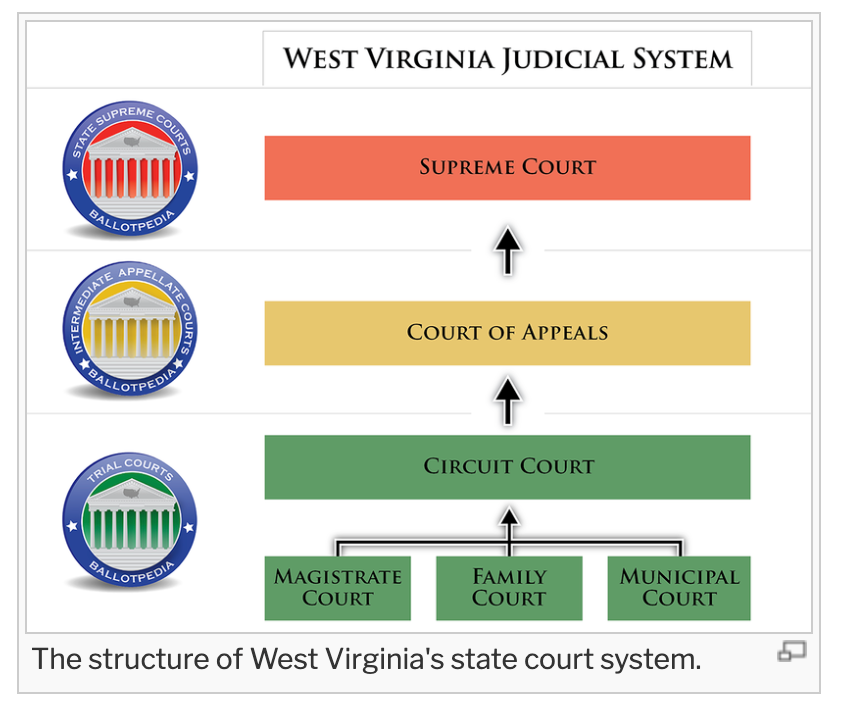
If you’re involved in a legal dispute in West Virginia—whether over money, property, or a contract—you may need to file a civil lawsuit.
For most people, the process feels confusing and slow. But civil cases follow a structured path. Once you understand the steps, it becomes much easier to navigate.
This guide explains how civil lawsuits work in West Virginia, from filing to final judgment.
What Is a Civil Lawsuit?
A civil lawsuit is a legal dispute between individuals, businesses, or organizations where one party seeks compensation or another form of relief.
Common types of civil cases include:
- Contract disputes
- Property or real estate issues
- Personal injury claims
- Business disputes
- Debt collection cases
Unlike criminal cases, civil lawsuits are about resolving disputes—not punishing wrongdoing.
Which Court Handles Civil Cases?
In West Virginia, civil cases are handled in different courts depending on the situation.
Magistrate Court
- Handles smaller cases (generally up to $10,000)
- Designed for faster, simpler disputes
- Many people represent themselves
Circuit Court
- Handles larger or more complex cases
- Has broader authority and formal procedures
- Often involves attorneys
👉 If you’re unsure where your case belongs, see our West Virginia Court System guide for a full breakdown.
Step 1: Filing the Lawsuit
The process begins when the plaintiff (the person bringing the case) files a complaint.
This document explains:
- What happened
- Why the other party is responsible
- What outcome is being requested
The complaint is filed with the appropriate court and must include accurate information about both parties.
Step 2: Serving the Defendant
After filing, the defendant must be officially notified. This is called service of process.
Service may be completed by:
- Certified mail
- Sheriff’s service
The case cannot move forward until the defendant is properly served.
Step 3: The Defendant Responds
Once served, the defendant has an opportunity to respond.
They may:
- Admit the claim
- Deny the claim
- Raise defenses
- File counterclaims
This response helps define the issues the court will decide.
Step 4: Discovery (Information Exchange)
Discovery is the phase where both sides gather information and evidence.
This may include:
- Written questions (interrogatories)
- Document requests
- Depositions (sworn testimony)
Discovery allows both parties to understand the strengths and weaknesses of the case before going to court.
Step 5: Motions and Pre-Trial Activity
Before trial, either side may file motions asking the court to make decisions.
Examples include:
- Requests to dismiss the case
- Requests to limit evidence
- Requests for summary judgment
Not every case goes to trial. Some are resolved during this phase.
Step 6: Court Hearing or Trial
If the case is not resolved earlier, it proceeds to a hearing or trial.
At this stage:
- Both sides present evidence
- Witnesses may testify
- The judge (or jury, in some cases) evaluates the facts
In Magistrate Court, hearings are typically more informal. Circuit Court proceedings are more structured.
Step 7: Judgment
After hearing the case, the court issues a decision, known as a judgment.
The judgment may:
- Award money damages
- Order a party to take (or stop) certain actions
- Dismiss the case
What Happens After a Judgment?
Winning a case does not always mean immediate payment.
If the losing party does not voluntarily comply, the winning party may need to take additional steps, such as:
- Wage garnishment
- Bank account attachment
- Property liens
👉 Collection is often a separate process from the lawsuit itself.
Read our guide on Can Someone Avoid Paying a Judgment in West Virginia?
How Long Do Civil Cases Take?
One of the most common questions is how long a civil case will take.
The answer depends on several factors.
In West Virginia, civil cases made up more than half of all Circuit Court filings in 2024—over 20,000 cases statewide. Courts handle these cases alongside criminal and juvenile matters, which often have priority.
Because of this, timelines can vary significantly.
Typical timeline:
- Filing: Immediate
- Service: Days to weeks
- Discovery: Weeks to months
- Hearing or trial: Often scheduled months out
Many cases take several months or longer to fully resolve.
Why Civil Cases Take Time
Delays are common and usually caused by structural factors, not neglect. Timelines can vary significantly depending on the complexity of the case. To understand the biggest factors behind delays, see our guide on why civil cases take so long in West Virginia.
These include:
- High case volume
- Limited court resources
- Judges serving multiple counties
- Competing priorities (especially criminal cases)
Understanding this helps set realistic expectations.
Common Mistakes to Avoid
Many cases run into problems because of avoidable mistakes.
Watch out for:
- Filing in the wrong court
- Failing to properly serve the defendant
- Missing deadlines
- Not keeping documentation organized
- Expecting immediate results
Preparation and organization can significantly improve your outcome.
When to Consider Legal Advice
While many smaller cases can be handled without a lawyer, legal advice may help when:
- The case involves large amounts of money
- The legal issues are complex
- You are unsure of your rights
- The other party has an attorney
Even a short consultation can clarify your options.
Frequently Asked Questions
Do I need a lawyer to file a civil lawsuit?
Not always. Many people represent themselves in smaller cases, especially in Magistrate Court.
Can a case settle before trial?
Yes. Many civil cases are resolved through settlement before reaching trial.
What if I lose the case?
You may have options, including filing an appeal, depending on the circumstances.
Related Guides
- West Virginia Magistrate Court: Complete Guide
- How to File a Case in West Virginia Magistrate Court
- West Virginia Magistrate Court Explained: Small Claims, Misdemeanors & Your Rights
Disclaimer
This article is for general informational purposes only and is not legal advice.