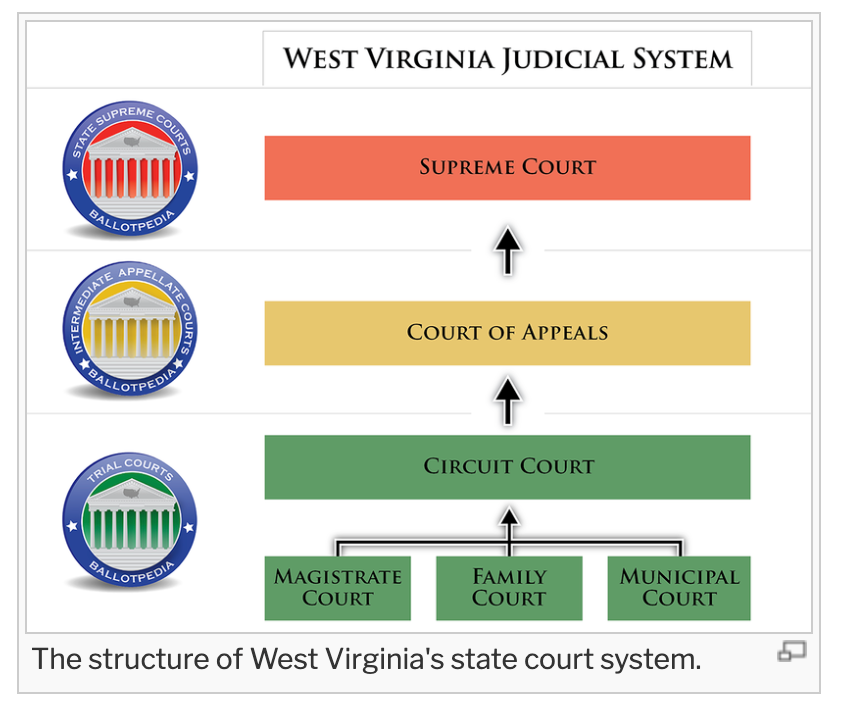
Tag: legal help west virginia

  • Why Civil Cases Take So Long in West Virginia

    If you’re involved in a civil case in West Virginia, one of the most frustrating parts of the process is how long everything can take.

    Hearings may be scheduled weeks or months out. Motions don’t always get immediate rulings. From the outside, it can feel like nothing is happening.

    In most cases, these delays are not personal—and they’re not a sign your case is being ignored. Civil cases move through a system with limited time, competing priorities, and structured procedures.

    Understanding why cases take time can help you set realistic expectations and avoid unnecessary frustration.

    For a full overview of the process, see our guide on how civil lawsuits work in West Virginia.


    What Counts as a Civil Case?

    Civil cases include disputes such as:

    • Contract disagreements
    • Property or real estate issues
    • Personal injury claims
    • Business disputes
    • Debt collection cases

    These cases are typically handled in Circuit Court when they involve larger amounts or more complex legal issues.


    Courts Handle More Than Just Civil Cases

    One of the biggest reasons civil cases take time is that courts are not dedicated solely to civil matters.

    In West Virginia, Circuit Court judges also handle:

    • Felony criminal cases
    • Juvenile cases involving children and families
    • Appeals from Magistrate and Family Courts

    This matters because criminal and juvenile cases often have legal deadlines, which means they must be scheduled first.

    👉 Civil cases are often scheduled around these higher-priority matters.


    High Case Volume Slows Everything Down

    Civil cases make up a large portion of the court system.

    In many years, civil filings represent a significant share of total cases statewide. That means thousands of disputes are moving through the system at the same time.

    With limited courtroom availability, judges must balance:

    • Multiple cases per day
    • Ongoing trials
    • Pre-trial motions
    • Administrative responsibilities

    👉 Even a well-prepared case may need to wait its turn.


    Judges Often Cover Multiple Counties

    In some parts of West Virginia, a single judge may serve more than one county.

    This creates scheduling challenges because:

    • Court time is divided between locations
    • Travel and logistics affect availability
    • Cases must be coordinated across multiple dockets

    This structure helps cover rural areas—but it can also extend timelines.


    The Legal Process Itself Takes Time

    Civil cases follow a structured process designed to ensure fairness.

    That process includes:

    • Filing the complaint
    • Serving the defendant
    • Allowing time for a response
    • Discovery (exchange of information)
    • Motions and hearings
    • Trial or resolution

    Each step requires time for both sides to prepare.

    👉 Rushing the process could compromise fairness or due process.


    Discovery Can Extend the Timeline

    One of the longest phases of a civil case is discovery.

    During this stage, both sides gather evidence by:

    • Requesting documents
    • Submitting written questions
    • Taking depositions

    Discovery can take weeks or months depending on:

    • The complexity of the case
    • The amount of evidence
    • How cooperative the parties are

    Delays Don’t Mean Nothing Is Happening

    Even when there are no visible court dates, activity may still be happening behind the scenes.

    Judges review filings. Clerks process paperwork. Attorneys prepare arguments.

    The system may feel slow—but it is still moving.

    Learn what happens after you win in Can Someone Avoid Paying a Judgment in West Virginia.


    What You Can Control

    While you cannot control court schedules, you can control how you manage your case.

    You can:

    • Stay organized with documents
    • Respond promptly to court notices
    • Meet deadlines
    • Understand which court is handling your case

    Preparation can prevent unnecessary delays.


    When Delays Become a Problem

    Not all delays are normal.

    If your case is stalled for an unusually long time or begins to affect your finances or rights, it may be worth speaking with a lawyer.

    They can help determine whether:

    • A deadline has been missed
    • A motion should be filed
    • Additional action is needed

    The Bottom Line

    Civil cases take time in West Virginia because of:

    • High case volume
    • Limited judicial resources
    • Competing priorities
    • A structured legal process

    The delay is not usually personal—it’s systemic.

    Understanding that can make the process easier to navigate and less frustrating.
  • How Civil Lawsuits Work in West Virginia (Step-by-Step Guide)

    If you’re involved in a legal dispute in West Virginia—whether over money, property, or a contract—you may need to file a civil lawsuit.

    For most people, the process feels confusing and slow. But civil cases follow a structured path. Once you understand the steps, it becomes much easier to navigate.

    This guide explains how civil lawsuits work in West Virginia, from filing to final judgment.


    What Is a Civil Lawsuit?

    A civil lawsuit is a legal dispute between individuals, businesses, or organizations where one party seeks compensation or another form of relief.

    Common types of civil cases include:

    • Contract disputes
    • Property or real estate issues
    • Personal injury claims
    • Business disputes
    • Debt collection cases

    Unlike criminal cases, civil lawsuits are about resolving disputes—not punishing wrongdoing.


    Which Court Handles Civil Cases?

    In West Virginia, civil cases are handled in different courts depending on the situation.

    Magistrate Court

    • Handles smaller cases (generally up to $10,000)
    • Designed for faster, simpler disputes
    • Many people represent themselves

    Circuit Court

    • Handles larger or more complex cases
    • Has broader authority and formal procedures
    • Often involves attorneys

    👉 If you’re unsure where your case belongs, see our West Virginia Court System guide for a full breakdown.


    Step 1: Filing the Lawsuit

    The process begins when the plaintiff (the person bringing the case) files a complaint.

    This document explains:

    • What happened
    • Why the other party is responsible
    • What outcome is being requested

    The complaint is filed with the appropriate court and must include accurate information about both parties.


    Step 2: Serving the Defendant

    After filing, the defendant must be officially notified. This is called service of process.

    Service may be completed by:

    • Certified mail
    • Sheriff’s service

    The case cannot move forward until the defendant is properly served.


    Step 3: The Defendant Responds

    Once served, the defendant has an opportunity to respond.

    They may:

    • Admit the claim
    • Deny the claim
    • Raise defenses
    • File counterclaims

    This response helps define the issues the court will decide.


    Step 4: Discovery (Information Exchange)

    Discovery is the phase where both sides gather information and evidence.

    This may include:

    • Written questions (interrogatories)
    • Document requests
    • Depositions (sworn testimony)

    Discovery allows both parties to understand the strengths and weaknesses of the case before going to court.


    Step 5: Motions and Pre-Trial Activity

    Before trial, either side may file motions asking the court to make decisions.

    Examples include:

    • Requests to dismiss the case
    • Requests to limit evidence
    • Requests for summary judgment

    Not every case goes to trial. Some are resolved during this phase.


    Step 6: Court Hearing or Trial

    If the case is not resolved earlier, it proceeds to a hearing or trial.

    At this stage:

    • Both sides present evidence
    • Witnesses may testify
    • The judge (or jury, in some cases) evaluates the facts

    In Magistrate Court, hearings are typically more informal. Circuit Court proceedings are more structured.


    Step 7: Judgment

    After hearing the case, the court issues a decision, known as a judgment.

    The judgment may:

    • Award money damages
    • Order a party to take (or stop) certain actions
    • Dismiss the case

    What Happens After a Judgment?

    Winning a case does not always mean immediate payment.

    If the losing party does not voluntarily comply, the winning party may need to take additional steps, such as:

    • Wage garnishment
    • Bank account attachment
    • Property liens

    👉 Collection is often a separate process from the lawsuit itself.

    Read our guide on Can Someone Avoid Paying a Judgment in West Virginia?


    How Long Do Civil Cases Take?

    One of the most common questions is how long a civil case will take.

    The answer depends on several factors.

    In West Virginia, civil cases made up more than half of all Circuit Court filings in 2024—over 20,000 cases statewide. Courts handle these cases alongside criminal and juvenile matters, which often have priority.

    Because of this, timelines can vary significantly.

    Typical timeline:

    • Filing: Immediate
    • Service: Days to weeks
    • Discovery: Weeks to months
    • Hearing or trial: Often scheduled months out

    Many cases take several months or longer to fully resolve.


    Why Civil Cases Take Time

    Delays are common and usually caused by structural factors, not neglect. Timelines can vary significantly depending on the complexity of the case. To understand the biggest factors behind delays, see our guide on why civil cases take so long in West Virginia.

    These include:

    • High case volume
    • Limited court resources
    • Judges serving multiple counties
    • Competing priorities (especially criminal cases)

    Understanding this helps set realistic expectations.


    Common Mistakes to Avoid

    Many cases run into problems because of avoidable mistakes.

    Watch out for:

    • Filing in the wrong court
    • Failing to properly serve the defendant
    • Missing deadlines
    • Not keeping documentation organized
    • Expecting immediate results

    Preparation and organization can significantly improve your outcome.


    When to Consider Legal Advice

    While many smaller cases can be handled without a lawyer, legal advice may help when:

    • The case involves large amounts of money
    • The legal issues are complex
    • You are unsure of your rights
    • The other party has an attorney

    Even a short consultation can clarify your options.


    Frequently Asked Questions

    Do I need a lawyer to file a civil lawsuit?

    Not always. Many people represent themselves in smaller cases, especially in Magistrate Court.


    Can a case settle before trial?

    Yes. Many civil cases are resolved through settlement before reaching trial.


    What if I lose the case?

    You may have options, including filing an appeal, depending on the circumstances.


    Related Guides


    Disclaimer

    This article is for general informational purposes only and is not legal advice.


  • Filing a Case in West Virginia Magistrate Court: Step-by-Step (Forms, Costs, Timeline)

    If you need to file a case in West Virginia Magistrate Court, whether for a small claim or landlord dispute, this guide walks you through every step.

    The system is designed to be accessible, even if you don’t have a lawyer. But there are still specific steps you must follow. Missing one can delay your case—or get it dismissed entirely.

    This guide walks you through exactly how to file a case in West Virginia Magistrate Court, step by step.

    file a case in wv magistrate court

    When to File in West Virginia Magistrate Court

    Magistrate Court handles many of the most common legal disputes in West Virginia.

    You’ll typically file here for:

    • Small claims (generally up to $10,000)
    • Landlord-tenant disputes (evictions, security deposits)
    • Civil disputes between individuals
    • Initial stages of criminal cases

    Magistrate courts are often the first point of contact with the legal system for many residents.

    If you’re unsure whether your case belongs here, see our guide to West Virginia Magistrate Court and our WV Court System Guide for a full breakdown of jurisdiction and case types.


    Step 1: Identify the Correct Court

    Before filing anything, you need to determine which county’s Magistrate Court is the right one.

    In most cases, you must file:

    • Where the defendant lives, or
    • Where the dispute occurred

    Filing in the wrong county can lead to delays—or dismissal of your case.

    When in doubt, call the magistrate clerk’s office before filing.


    Step 2: Complete the Required Forms

    To start your case, you’ll need to file a civil complaint form.

    This form includes:

    • Your name and contact information
    • The defendant’s name and address
    • A clear explanation of your claim
    • The amount of money you’re seeking (if applicable)

    Your explanation should be simple, factual, and direct. You don’t need legal language—just clearly explain what happened and what you’re asking the court to do.

    You can usually get forms:

    • At your local Magistrate Court clerk’s office, or
    • Through the West Virginia Judiciary website

    Step 3: Pay the Filing Fee

    When you file your complaint, you’ll need to pay a filing fee.

    Typical costs:

    • $30–$75 for most civil cases

    Additional costs may include:

    • Service fees (especially if the sheriff serves the defendant)

    If you win your case, you can often ask the court to add these costs to the judgment, meaning the other party may have to reimburse you.


    Step 4: Serve the Defendant

    After filing, the defendant must be officially notified. This is called service of process.

    Service is usually handled by the court and may be completed by:

    • Certified mail, or
    • Sheriff’s service

    Your case cannot move forward until the defendant is properly served.

    If the address is wrong or service fails, your case may be delayed.


    Step 5: Receive Your Hearing Date

    Once your case is filed and the defendant is served, the court will schedule a hearing.

    Magistrate Court is relatively fast compared to other courts.

    Most hearings are scheduled within a few weeks.

    You’ll receive notice of the hearing date and time.


    How Long the Process Takes

    While every case is different, most Magistrate Court cases follow a general timeline:

    • Filing: Same day
    • Service of process: A few days to 2 weeks
    • Hearing date: Often within a few weeks
    • Final decision: Usually issued shortly after the hearing

    In many cases, the entire process takes a few weeks to a couple of months.


    Step 6: Prepare for Your Hearing

    Preparation matters—often more than legal arguments.

    Before your hearing, gather:

    • Contracts, receipts, or written agreements
    • Photos, messages, or emails
    • Any relevant documentation
    • Witnesses (if applicable)

    Magistrate Court is designed to be simple, but organization and clarity make a big difference.

    For a full breakdown of what happens during the hearing itself, see our Magistrate Court guide.


    What Happens After You File

    Filing the case is just the beginning.

    At your hearing:

    • Both sides present their case
    • The magistrate reviews evidence
    • A decision (called a judgment) is issued

    If you win, the court may order the other party to pay money or take specific action.

    However, winning a judgment does not automatically mean you get paid. Collection may require additional steps.


    Common Mistakes to Avoid

    Many cases are delayed—or lost—because of simple mistakes.

    Watch out for:

    • Filing in the wrong county
    • Providing an incorrect or incomplete address for the defendant
    • Bringing no documentation
    • Missing your court date
    • Failing to clearly explain your claim

    Even small errors can cause major setbacks.


    Frequently Asked Questions

    Do I need a lawyer to file a case in West Virginia Magistrate Court?

    No. Magistrate Court is designed for self-representation, and many people handle cases on their own.

    However, legal advice can be helpful in more complex disputes.


    How long does the process take?

    Most cases move quickly—often within a few weeks to a couple of months, depending on service and scheduling.


    What if the other side doesn’t show up?

    If the defendant fails to appear, the court may issue a default judgment in your favor.


    Where to File

    To find your local Magistrate Court, visit the West Virginia Judiciary website or contact your county courthouse directly.

    If your case involves larger amounts, complex disputes, or uncertainty about your rights, speaking with a lawyer may help you avoid costly mistakes.


    Disclaimer

    This article is for general informational purposes only and is not legal advice.


  • What The New West Virginia Child Care Law HB 4191 Actually Means for You

    West Virginia just passed a major child care law—and if you’re a parent, this could directly impact your daily life.

    Let’s break HB 4191 down simply.


    1. You Might See More Child Care Options Through Employers

    The state is giving businesses big tax breaks to help provide child care.

    That means:

    • More employers may offer on-site child care
    • Or help pay for care through partnerships

    👉 Why it matters:
    This could make child care easier to access and more affordable—especially for working parents.


    2. There Are New Rules for Using Child Care Subsidies

    If you receive financial help for child care:

    • Your child must attend at least ~8 days per month on average

    👉 Why it matters:
    If your schedule is inconsistent, you could lose eligibility.

    This is something families need to plan around.


    3. The “Benefits Cliff” Might Finally Be Fixed

    Before this law:

    • If you earned slightly more money, you could lose all your child care help overnight

    Now:

    • The state plans to phase out benefits gradually instead of cutting them off

    👉 Why it matters:
    You may be able to:

    • Take a raise
    • Work more hours
    • Advance your career

    …without immediately losing support.


    4. What’s Still Unknown

    Some parts of the law are not fully set yet.

    The state still needs to:

    • Write detailed rules
    • Decide how phase-outs actually work
    • Implement changes by 2027

    👉 Translation:
    Things could change again as the details are finalized.


    Bottom Line (Citizen POV)

    This law is trying to fix a real problem:

    • Child care is expensive
    • It limits people’s ability to work

    The goal is to:

    • Make care more available
    • Support working families
    • Remove barriers to earning more income

    But you’ll want to stay informed—because how the rules are implemented will matter just as much as the law itself.