Magistrate Court is the entry point to the legal system for most West Virginians. In 2024 alone, it handled tens of thousands of civil cases and over 100,000 misdemeanor charges—making it the busiest court in the state.
Understanding how Magistrate Court works can help you avoid mistakes, prepare for hearings, and make better decisions if you’re involved in a case.
See our full guide to the West Virginia Court System to understand how Magistrate, Family, and Circuit Courts work together.
What Is Magistrate Court (Simple Definition)
Magistrate Court is the front line of the West Virginia legal system. It handles everyday legal matters like small claims, landlord-tenant disputes, misdemeanor charges, and initial hearings in criminal cases. Because it is designed to be more accessible and less formal than higher courts, many cases start—and often end—at this level.
2024 Magistrate Court by the Numbers
Magistrate Court handles a massive volume of cases each year. Here’s what that looks like in practice:
| Metric |
2024 Data |
| Felony filings (preliminary hearings) |
13,236 |
| Misdemeanor filings |
110,875 |
| Small claims filings |
30,060 |
| Emergency protective orders issued |
9,769 |
| Personal safety petitions |
4,670 |
| Mental health special proceedings |
525 |
Civil Cases: What Magistrate Court Can Handle
Small Claims Court (Up to $10,000)
Small claims court is designed so ordinary people — with or without a lawyer — can resolve money disputes quickly. Common cases include:
- Security deposit disputes with landlords
- Unpaid loans between individuals
- Property damage claims
- Unpaid work or contract disputes
Filing fees vary by county but are typically $30–$75. If you win, you can ask the judge to add the filing fee to what the other party owes you.
Landlord-Tenant (Unlawful Detainer & Eviction)
If a landlord wants to evict a tenant, they must file an unlawful detainer action in magistrate court. Tenants have the right to appear and tell their side. A magistrate cannot evict a tenant who has not been given proper legal notice.
Personal Safety Petitions
If you are being stalked or harassed by someone who is not a family member or intimate partner, you can file a personal safety petition in magistrate court. In 2024, there were 4,670 such petitions filed statewide.
Criminal Cases: What Magistrate Court Handles
Misdemeanor Trials
Magistrates can try and sentence misdemeanor cases. Common misdemeanors include simple assault, first-offense DUI, shoplifting, and traffic offenses.
⚖ Your Rights: You have the right to a jury trial in magistrate court for misdemeanors. You have the right to an attorney. If you cannot afford one and face possible jail time, the court must appoint a public defender. If convicted, you can appeal to circuit court for a brand-new trial (a “de novo” appeal) within 20 days.
Felony Preliminary Examinations
Magistrates do not try felony cases — that is circuit court’s job. But when someone is arrested on a felony charge, a magistrate holds a “preliminary examination” to decide whether there is enough evidence to send the case to circuit court. In 2024, there were 13,236 felony filings processed through magistrate courts statewide.
Bail: How It Works
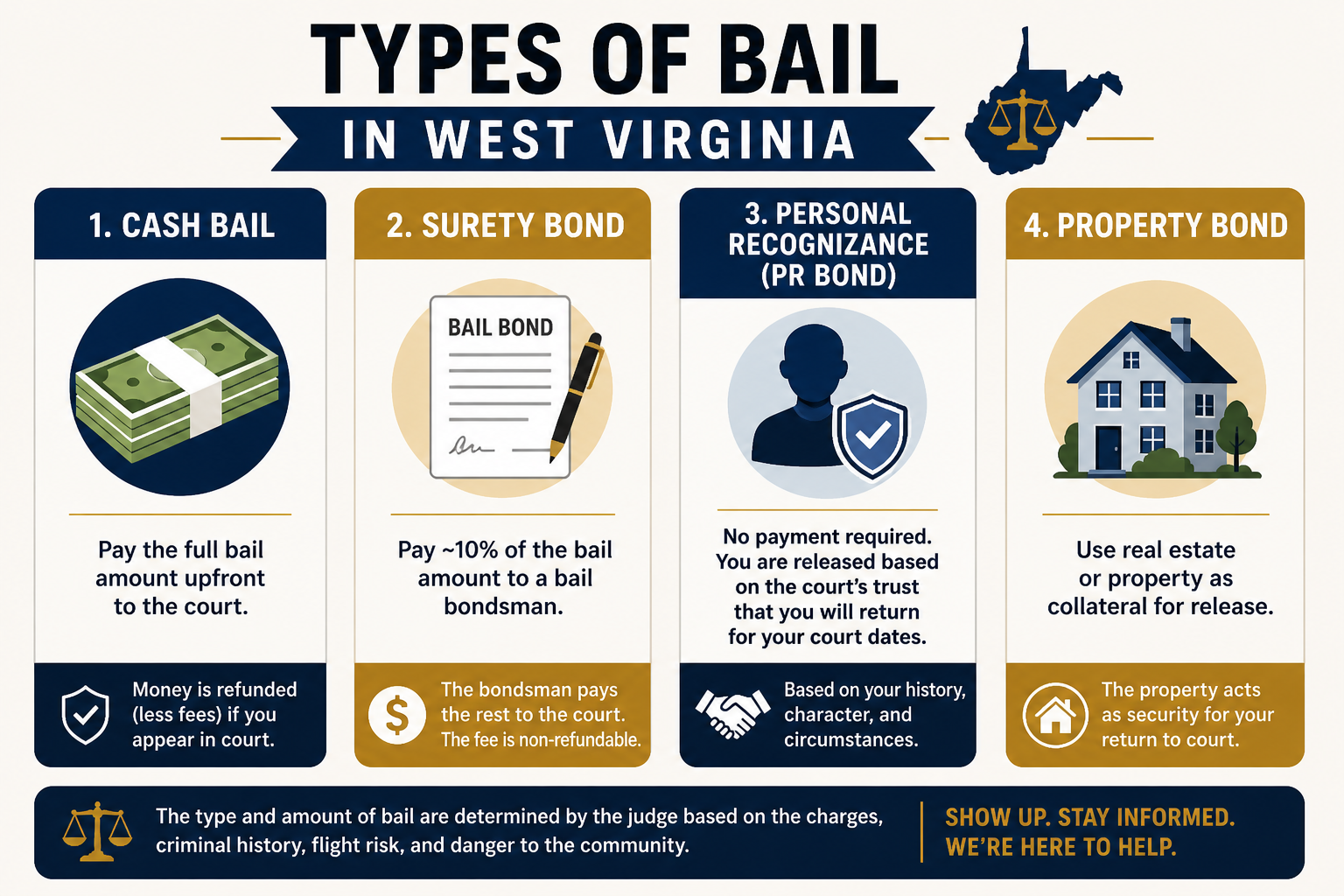
After arrest, a magistrate sets bail — the amount of money required for release before trial. Factors considered include the seriousness of the charges, prior criminal history, flight risk, and danger to the community.
⚠ Bail Too High? If you believe bail was set unreasonably high, an attorney can request a bail reduction hearing in circuit court. This should be done as quickly as possible after arrest — every day in pretrial custody has real consequences.
Mental Health and Special Proceedings
In counties without enough mental hygiene commissioners, magistrates can handle probable cause hearings for involuntary hospitalization. They also handle emergency custody in child abuse and neglect cases. In 2024, magistrate courts processed 2,961 juvenile special proceedings and 525 mental health special proceedings.
What Happens in Magistrate Court (Step-by-Step)
If you have a case in Magistrate Court, the process is usually faster and less formal than higher courts—but it still follows a clear structure. Knowing what to expect can help you stay focused and avoid costly mistakes.
1. The Case Is Called
When your case is scheduled, the magistrate will call your name (and the other party’s name). Both sides come forward or confirm they are present.
👉 If you don’t show up, the court may:
- dismiss your case (if you filed it), or
- enter a default judgment against you
2. The Magistrate Explains the Process
Magistrate courts are designed to be accessible, so the judge may briefly explain how the hearing will work—especially if one or both parties do not have a lawyer.
This may include:
- who speaks first
- how evidence is presented
- what the magistrate needs to decide
3. The Plaintiff Presents Their Case
The person who filed the case (the plaintiff) goes first.
They will:
- explain what happened
- present documents (contracts, receipts, photos, messages)
- call any witnesses
👉 Tip: Keep it simple and stick to facts. Magistrates are listening for clear, relevant information.
4. The Defendant Responds
The other side (the defendant) then has a chance to respond.
They may:
- dispute the claim
- present their own evidence
- bring witnesses
👉 Even if you disagree strongly, stay calm and focused—credibility matters.
5. Questions and Clarifications
The magistrate may ask questions at any point to better understand the facts.
This can include:
- clarifying timelines
- asking about documents
- resolving conflicting statements
6. The Magistrate Makes a Decision
In some cases, the magistrate will issue a decision immediately after hearing both sides.
In others, the decision may come:
The decision (called a judgment) will state:
- who won
- how much money is owed (if any)
- any additional orders
7. What Happens Next
After the decision:
- If you win, you may still need to collect the money—the court does not do this for you automatically. Learn how to collect a judgment in West Virginia.
- If you lose, you may have the right to appeal to Circuit Court within a limited time.
👉 Important: Magistrate Court is often just the beginning. What you do after the hearing can matter as much as what happens in court.
⚖️ What Happens After a Magistrate Court Decision
Once the magistrate issues a decision, your case isn’t always “over.” What happens next depends on whether you win or lose—and what the other side does.
If You Win the Case
Winning in Magistrate Court means the judge agrees with you. But it does not automatically mean you’ll get paid.
If the judgment involves money, the other party may:
- pay voluntarily (best-case scenario)
- delay payment
- refuse to pay altogether
If they don’t pay, you may need to take additional steps to collect, such as:
- requesting a wage garnishment
- placing a lien on property
- pursuing other collection methods allowed under West Virginia law
👉 Important: The court does not collect the money for you—you have to enforce the judgment.
If You Lose the Case
If the magistrate rules against you, you may have options—but they are time-sensitive.
In West Virginia, you generally have the right to:
👉 Key points:
- You typically have 20 days to file an appeal
- The case starts fresh in Circuit Court
- Rules and procedures become more formal
Missing the deadline usually means the decision becomes final.
If the Other Side Appeals
Even if you win, the other party can appeal the decision.
If that happens:
- the case moves to Circuit Court
- the process becomes more formal
- you may want to strongly consider legal representation
When the Judgment Becomes Final
If no one appeals within the allowed time:
- the judgment becomes final
- enforcement (if needed) can begin
At this point, your focus shifts from:
👉 “Who won?”
to
👉 “How do I actually resolve this?”
Why This Stage Matters
Many people assume the hardest part is the court hearing.
In reality:
- collecting money
- responding to appeals
- meeting deadlines
can have just as much impact on the outcome.
Understanding what comes next helps you:
- avoid missed deadlines
- protect your rights
- make better decisions after court
Magistrate Court is where many legal issues begin—but understanding what happens next is what ultimately determines the outcome.
Frequently Asked Questions
Do you need a lawyer in Magistrate Court?
Not always, but having one can help you avoid procedural mistakes and better present your case.
Related Posts
Need Legal Help?
Find your county magistrate court at courtswv.gov
WV Legal Aid: lawv.net | 1-866-255-4370
This post is for general information only and is not legal advice.