If you need to file a case in West Virginia Magistrate Court, whether for a small claim or landlord dispute, this guide walks you through every step.
The system is designed to be accessible, even if you don’t have a lawyer. But there are still specific steps you must follow. Missing one can delay your case—or get it dismissed entirely.
This guide walks you through exactly how to file a case in West Virginia Magistrate Court, step by step.
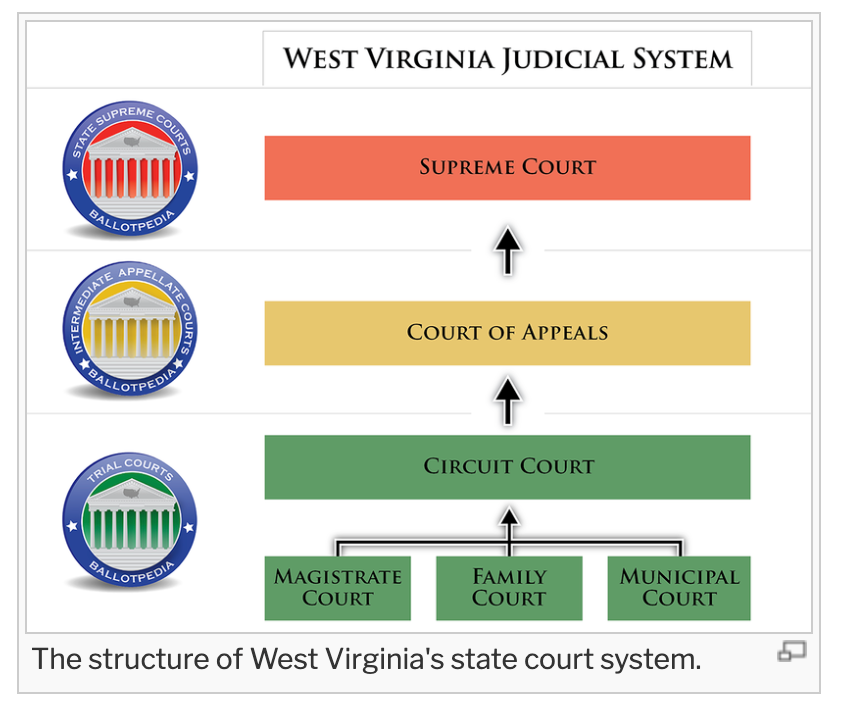
When to File in West Virginia Magistrate Court
Magistrate Court handles many of the most common legal disputes in West Virginia.
You’ll typically file here for:
- Small claims (generally up to $10,000)
- Landlord-tenant disputes (evictions, security deposits)
- Civil disputes between individuals
- Initial stages of criminal cases
Magistrate courts are often the first point of contact with the legal system for many residents.
If you’re unsure whether your case belongs here, see our guide to West Virginia Magistrate Court and our WV Court System Guide for a full breakdown of jurisdiction and case types.
Step 1: Identify the Correct Court
Before filing anything, you need to determine which county’s Magistrate Court is the right one.
In most cases, you must file:
- Where the defendant lives, or
- Where the dispute occurred
Filing in the wrong county can lead to delays—or dismissal of your case.
When in doubt, call the magistrate clerk’s office before filing.
Step 2: Complete the Required Forms
To start your case, you’ll need to file a civil complaint form.
This form includes:
- Your name and contact information
- The defendant’s name and address
- A clear explanation of your claim
- The amount of money you’re seeking (if applicable)
Your explanation should be simple, factual, and direct. You don’t need legal language—just clearly explain what happened and what you’re asking the court to do.
You can usually get forms:
- At your local Magistrate Court clerk’s office, or
- Through the West Virginia Judiciary website
Step 3: Pay the Filing Fee
When you file your complaint, you’ll need to pay a filing fee.
Typical costs:
- $30–$75 for most civil cases
Additional costs may include:
- Service fees (especially if the sheriff serves the defendant)
If you win your case, you can often ask the court to add these costs to the judgment, meaning the other party may have to reimburse you.
Step 4: Serve the Defendant
After filing, the defendant must be officially notified. This is called service of process.
Service is usually handled by the court and may be completed by:
- Certified mail, or
- Sheriff’s service
Your case cannot move forward until the defendant is properly served.
If the address is wrong or service fails, your case may be delayed.
Step 5: Receive Your Hearing Date
Once your case is filed and the defendant is served, the court will schedule a hearing.
Magistrate Court is relatively fast compared to other courts.
Most hearings are scheduled within a few weeks.
You’ll receive notice of the hearing date and time.
How Long the Process Takes
While every case is different, most Magistrate Court cases follow a general timeline:
- Filing: Same day
- Service of process: A few days to 2 weeks
- Hearing date: Often within a few weeks
- Final decision: Usually issued shortly after the hearing
In many cases, the entire process takes a few weeks to a couple of months.
Step 6: Prepare for Your Hearing
Preparation matters—often more than legal arguments.
Before your hearing, gather:
- Contracts, receipts, or written agreements
- Photos, messages, or emails
- Any relevant documentation
- Witnesses (if applicable)
Magistrate Court is designed to be simple, but organization and clarity make a big difference.
For a full breakdown of what happens during the hearing itself, see our Magistrate Court guide.
What Happens After You File
Filing the case is just the beginning.
At your hearing:
- Both sides present their case
- The magistrate reviews evidence
- A decision (called a judgment) is issued
If you win, the court may order the other party to pay money or take specific action.
However, winning a judgment does not automatically mean you get paid. Collection may require additional steps.
Common Mistakes to Avoid
Many cases are delayed—or lost—because of simple mistakes.
Watch out for:
- Filing in the wrong county
- Providing an incorrect or incomplete address for the defendant
- Bringing no documentation
- Missing your court date
- Failing to clearly explain your claim
Even small errors can cause major setbacks.
Frequently Asked Questions
Do I need a lawyer to file a case in West Virginia Magistrate Court?
No. Magistrate Court is designed for self-representation, and many people handle cases on their own.
However, legal advice can be helpful in more complex disputes.
How long does the process take?
Most cases move quickly—often within a few weeks to a couple of months, depending on service and scheduling.
What if the other side doesn’t show up?
If the defendant fails to appear, the court may issue a default judgment in your favor.
Where to File
To find your local Magistrate Court, visit the West Virginia Judiciary website or contact your county courthouse directly.
If your case involves larger amounts, complex disputes, or uncertainty about your rights, speaking with a lawyer may help you avoid costly mistakes.
Disclaimer
This article is for general informational purposes only and is not legal advice.
Leave a Reply